
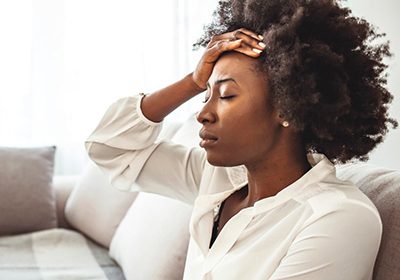
Stress is the body’s natural defense against change or circumstances that might cause physical, emotional, or psychological strain on your body. Stress automatically initiates the fight-or-flight response; hence it is our autonomic nervous systems that control our responses to stress. The body’s nervous system regulates both voluntary and involuntary actions, in addition to memory, communication, and thinking. The autonomic nervous system controls everything that happens automatically such as breathing, digestion, and heart rate to keep us alive!
Let us take a little deeper look. The autonomic nervous system is made up of two parts: the parasympathetic and sympathetic systems. The parasympathetic system controls things like digestion and the ability to rest. It works to conserve energy and help us sleep, breaking down food, absorbing it, and sending its nutrients to restore the body. The sympathetic system, on the other hand, is responsible for action! This is where we get the fight-or-flight response – quick energy to move away from danger or stressful situations.
So, when dealing with a chronic ailment or long-term difficult situations, the body stays in that fight-or-flight mode (sympathetic dominance) for much longer than the body should. The parasympathetic system cannot function well and thus the person may experience digestive difficulties and/or sleep disturbances, among other things.
Another interesting aspect of why a person stays in sympathetic dominance is related to their neck curve. If instability exists in the cervical spine, vertebrae can move too much and encroach on important vessels such as the internal jugular veins and the vagus nerves (the nervous system superhighway that runs along each side of the neck.)
At our Caring Medical office, we are seeing dramatic increases in the number of patients that come in with feelings of stress, anxiety, inability to cope, depression, sadness, and loss. Why? Since we are experts in the neck, many of these patients have issues related to cervical instability. However, compounding that are the stresses of life. So, we encourage you, first and foremost, if you are having these feelings, consider that it might be related to your neck.
Everyone experiences stress in their lifetime, some more than others. What is stressful for one person, might not be stressful for another. Stress is a part of life, but it must be managed effectively to maximize success, health, and happiness. Therefore, the way we respond to our stress plays a huge role in our overall wellness. Here are tips that can help you look at your stress in a new way.
Take a breather – If you find that something is stressing you out, step away from the situation and if able, go outside for a few minutes. Research shows that spending time outside and in nature can help reduce stress levels by lowering your heart rate (and improves digestion!) We love taking a 10-minute walk around our office complex at lunch time to “reset” and get ready for the afternoon at work. It really does help!
Separate worries from concerns – We know this may be easier said than done but try being mindful of what you are getting stressed out about. If a situation is a concern, ask God for help and release that anxiety to Him. If you cannot do anything about it, then there is no sense in worrying, right? What does that really accomplish? Nothing. Focus your time on things you can change!
Turn it around – While listening to a recent Podcast, we heard this, “turn the let-downs into lessons and the disappointments into determination!” Wow does that change your mindset! Just because something is challenging does not mean you have to stress yourself out – challenging times are an opportunity for growth!
We cannot stop things from happening in our lives, but we can control how we respond to them. Matthew 6:34 states, “Therefore do not worry about tomorrow, for tomorrow will worry about itself. Each day has enough trouble of its own.” If you are stressing about what may happen tomorrow and it does not even happen, then you worried for no reason! If it does happen, then you have just worried twice! Right?
Worry less and live more!